How to help your child be a good sport, whether they win or lose
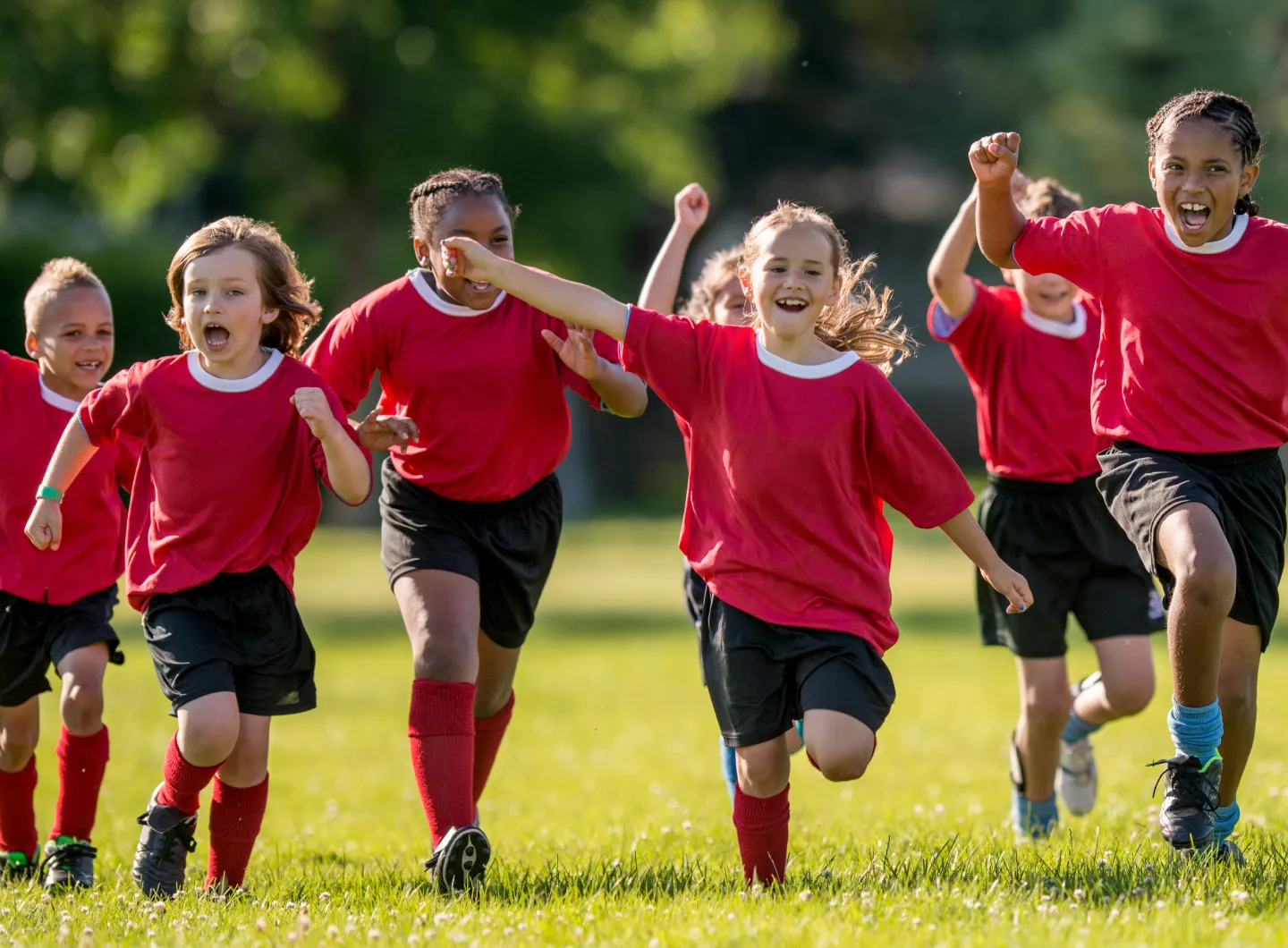
For many children, playing games and sports is all about having fun with family, friends and teammates. For others, it can feel a lot more intense. When they’re winning, they feel on top of the world, but when they’re losing, they feel miserable.
If you’re a parent or caregiver with a child who has trouble losing or playing games or sports, you’re not alone. You might be wondering why your child gets upset, cries, throws a tantrum, acts aggressively or storms off when they lose. Or what to do when they cheat to try and win, make excuses when they lose, falsely accuse other players of cheating, or blame unfair calls or conditions for their loss.
Should you let them win to keep the peace? Refuse to play with them? Make them sit out until they calm down? Only let them play cooperative games where there are no winners or losers? There are no easy answers and every child is different. Sometimes these responses can help children build confidence, learn the consequences of their actions or take a much-needed break from competitive sports and games. But used too often and without teaching children the fundamental skills needed for good sportsmanship, they can accidentally do more harm than good.
By taking the focus off winning, using positive reinforcement, role modelling good sportsmanship and helping your child cope with big feelings, you can help them learn how to be a good sport and bring the fun back into play time.
The art of good sportsmanship for kids
When children have fun playing well with others, it benefits their social and emotional development. It also helps them build confidence and develop positive relationships with family, friends and their community. Playing sports, whether at home, school or elsewhere, is also beneficial for children’s physical and mental health.
Imagine your child playing by the rules of the game and reacting well – win, lose or draw – whether it’s a board game at home, a soccer game at school, a basketball game at the local park or organized team sports. What might that look like?
Being a good sport can mean congratulating the winning player or team even when you feel sad or frustrated you lost, encouraging your teammates, and accepting the referee’s call even when you disagree. It can be losing with dignity and winning with humility. Or it can be feeling proud and enjoying victory without gloating or bragging, playing as a team, treating your opponents and everyone involved with respect, not putting others down, looking for the positives, and learning from the negatives.
How to help sore losers and bad winners
Games, sports and competition can be a great source of pleasure and pride for many children and parents, but challenges often occur when the focus is on winning. This applies just as much to young children as adolescents. Research shows that a lot of children drop out of sports because it becomes too competitive, too serious and stops being fun. One study found 70 per cent of young athletes quit organized sport by age 13.1
When kids, parents, teachers and coaches focus just as much on the benefits of exercise, skills development, teamwork, friendship and enjoyment as they do on winning, it does kids – and often the scoreboard – a world of good.
One way to help your child learn the valuable lesson that “it’s not whether you win or lose, but how you play the game” is by using positive reinforcement. This means praising your child in a way that feels natural to you when they’re playing well and being a good sport, which encourages them to do it more often. This might sound like:
- “You’re so much fun to play with.”
- “You’re following the rules so well – I love playing this game with you.”
- “It’s great that you’re sharing the ball with your teammates.”
When parents and caregivers role model good sportsmanship while playing games or watching sports, this also helps show kids what to say and do when they’re playing. This might involve:
- During a game with your child, saying “wow, you’re a tough opponent, I love being challenged.”
- After a game with your child, saying “good game” and shaking hands, whether you win or lose.
- While watching sports, saying “I don’t agree with the ref’s call, but you have to accept it and keep playing.”
Coping with big feelings during games and sports
Playing games and sports is exciting! We all love cheering on our favourite teams and the feeling of victory when we win. And we all know it feels rotten to lose. Winning feels great, losing doesn’t. We’re hardwired that way, and that’s okay.
Helping your child understand there’s no shame in losing, that all feelings come and go, and that it’s okay to feel disappointed helps develop their emotional regulation skills. It also strengthens your relationship with your child and helps you grow closer, which supports their mental health and well-being.
When it comes to good sportsmanship, the idea is to help your child understand that it’s okay to cry or feel sad, disappointed, frustrated or even angry they lost – but it’s not okay to call people names, storm off, be aggressive or behave in ways that can hurt others and damage their relationships. Instead of dismissing, ignoring, criticizing, or trying to “fix” their feelings, you could try supporting them with phrases like:
- “It’s okay to feel sad/frustrated you lost” (even more effective when paired with a loving hug or pat on the back).
- “I know you really wanted to win that race/game. It’s okay to cry, I’m here for you.”
- “Losing can be frustrating. I’m really proud of how you played today.”
Role modelling how you cope with your own big feelings can also help:
- “This game is making me feel frustrated. I’m going to take three deep breaths to calm down.”
- “I really wanted to win that one! I think I need a hug.”
- “I feel a bit sad I lost. I might go for a walk. Wanna come?”
If your child struggles when others don’t play fair or don’t follow the rules, empathizing and problem-solving with them when everyone is calm can help:
- “It’s frustrating when others don’t follow the rules. What do you think would help?”
- “That does sound unfair. Have you tried talking calmly to them about it?”
- “You don’t have to keep playing when others aren’t following the rules. What else could you do instead?”
With a little love, a whole lot of patience and these positive parenting strategies up your sleeve, you can help your child develop the skills they need to be a good sport – now and in the future.
Learn more about positive parenting through our online programs
Every parent can benefit from evidence-based strategies to support their child. For families of children aged 12 and under, Triple P Online can help. For support with teens, you could try Teen Triple P Online. For parents and caregivers of children with disability, you might be interested in Stepping Stones Triple P Online. For parents and caregivers of children experiencing anxiety, try Fear-Less Triple P Online.
References
- Joel S. Brenner, Council on Sports Medicine and Fitness; Sports Specialization and Intensive Training in Young Athletes. Pediatrics September 2016; 138 (3): e20162148. 10.1542/peds.2016-2148. https://doi.org/10.1542/peds.2016-2148